01
The stock
The wearables, houses, clothes, shoes, accessories and continuity elements must remain identified and accessible.
A filming can bring together few actors and yet carry dozens of clothes, wearers, shoes, accessories, doubles, continuity costumes and several looks per character. The mobile costume logue allows to transform this volume into organization: rank, identify, prepare, dress, change and put each piece in the right place.
On a movie, a series, a advertisement or a shooting, the Costume with great capacity A problem must be solved that is easily underestimated before seeing the first carrier arrives: How to transform a large amount of clothing into a fast and reliable work system?
A continuity error, a missing accessory, a bad pair of shoes or a cloth that is not available at the scheduled time can not always be corrected by the camera. The clothing department should therefore know where each item is located and be able to recover it quickly.
This need explains why simply having a large empty volume is not enough. A storage without organization can become slower than a more compact but properly structured space. Clothes must be classified. The wearers must remain accessible. Shoes must be associated with the right characters. Accessories must be identified. Clothes ready for the next scene should not be mixed with those just used.
As the project grows, the costume logue becomes a real mobile workshop. The team does not just store. She prepares. She controls. She dresses. She recovers the clothes. She checks continuity. She anticipates the next scene. Then the cycle starts again.
On a contemporary project with a few roles and a main cloth per character, the need can remain relatively simple. But other productions make the volume explode. A film of time may require several layers per character. A series can keep the costumes of many roles for several weeks. A advertising can provide many options before client validation. A mode shooting can gather a whole collection. A clip can multiply visual transformations in a few hours.
In each of these cases, the number of actors tells only a part of the story. Two models may require more clothes than ten actors on a contemporary film. One artist in a clip can have eight different looks, several pairs of shoes, jewelry, accessories and doubles.
The right question is not just “How many people?” we must ask: how many clothes? how many wearers? how many changes? what accessories? what frequency? what volume should be immediately accessible? what can be kept in stock?
This analysis allows you to decide if a dedicated costume logue is really useful. On a small production, some portants can sometimes be integrated into a lighter organization. But as soon as the volume begins to invade the comedian logues, the HMC, the corridor or the decor, the separation becomes much more logical.
The comedy logue must remain an artistic space. The HMC must remain a make-up-coating workshop. The decor must remain available for the camera. The costume therefore has any interest, when the project justifies it, to have its own area.
This separation does not create unnecessary distance if the base is well thought. On the contrary, the different functions can be aggregated geographically. A comedian leaves his logue, joins the clothes, passes in HMC, and then goes to the plateau.
When it returns, the circuit can turn back. The costume is recovered. The next dress is already ready. Continuity is checked. The artist returns to his logue or directly to the next preparation.
This logic reduces the movements but above all the research.On a production, the phrase “where is the jacket?” can seem anodine.If it repeats twenty times in a day, it becomes a symptom of a bad organization.
The role of the dressing logue is exactly to create a place where the answer is always obvious. The jacket is with the character. The pair of shoes is identified. The next scene dressing is prepared. The clothes returned plate are separated.
The space should not be designed as a simple transport box. It must be thought as an active production zone. It is where the notion of large capacity actually takes its meaning: not only more meters of storage, but more possibilities of organization.
A good costume log should allow the team to perform several tasks without turning every change into moving.
The wearables, houses, clothes, shoes, accessories and continuity elements must remain identified and accessible.
As the artist turns, the team can already prepare the next stage and check all its elements.
The change must be able to be made in a space that protects the artist’s privacy and facilitates the work of the dressers.
After taking, the elements must return to their place, be controlled and remain available in the right condition for the next sequence.
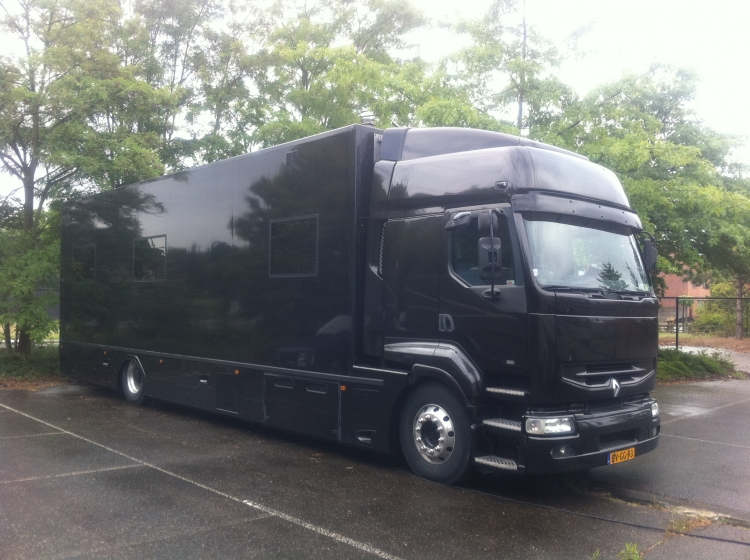
The two photographs of your PROD 19 truck are now integrated with their real PNG files, as a complement to the images dedicated to clothing.
It is tempting to measure a need costumes only in the number of meters of portant. This data is interesting, but it is not enough. Two productions can announce the same number of portants and have completely different needs.
The first can carry relatively light contemporary clothes, distributed between a few characters. The second can bring together time costumes, cravings, large clothes, several sizes, doubles and many accessories. The physical volume is not the same.
A portant containing the next week’s clothes can stay in a less immediately accessible area. A portant containing the three changes of the next hour must be at the team’s reach.
A space filled up to the last centimeter can present an impressive theoretical capacity and a poor work capacity. If the dressing machine has to move three portants to reach the fourth, each search takes time.
If the shoes are placed behind the next week’s clothes, a simple operation becomes complicated. If accessories are packed in unidentified cartons, the storage volume does not bring any efficiency.
Therefore, the movement must be preserved.The team must be able to move between the clothes.The team must be able to get out a carrier.The team must be able to place a clothes in a preparation zone.
The useful capacity is that that that keeps this functioning. That’s why a costume logging application must describe the volume but also how this volume will be used.
A character can possess ten clothes but only change once a day. A model can have the same number of looks and all use them in four hours.
In the second case, the costume team needs a much more active organization. The next dress must be ready before the previous is removed. The corresponding shoes and accessories must be gathered together.
The change must be made quickly. Then the previous clothes must return to their place without being mixed with the next one.
On a fiction, the ranking can be structured by character. Each role has an identifiable zone. Inside this zone, clothes can then be ordered by scene, day, chronology or according to the method chosen by the department.
This organization helps great when a comedian needs to be prepared quickly. The dressing player does not look in the whole lounge. It goes directly to the character's area.
In advertising, mode or clip, the organization may be different. The word “character” is not always the most relevant. The team can rather reason in looks. Look 1. Look 2. Look 3. client version. help option. associated accessories.
Each set can be prepared in such a way that allows quick validation. This prevents the search at the last moment for the belt that corresponds to the jacket or the pair of shoes selected by the stylist.
A very effective method is to distinguish the general storage from the next dress immediately. While the artist is on the plateau, the team prepares what it will need when he returns.
The clothes can be out of the main storage, controlled and grouped with its accessories. The next change does not begin with a search. It begins with clothing.
When a clothes come back from the plate, it should not necessarily be replaced immediately in the clean stock.
Depending on the scenes, it can be wet, dustful, frozen or require an intervention. Therefore it can be useful to distinguish the elements that come back from the plateau from those that are already ready.
This separation reduces errors and allows the team to treat the clothes in the right order.
A film is usually not filmed in the order where the spectator will see it. A scene that appears before another in the assembly can be filmed several days later.
The costume must, however, respect the continuity of the story. The same shirt, the same jacket, the same accessories and the same state must be found.
This requirement makes the organization even more important on long productions. The costume logue is no longer just a dressing room. It becomes a physical memory of the film.
Some scenes may require several versions of the same dress. A clean version. An old version. A wet version. A version for a cascade.
These clothes may seem identical to a person who does not know the project. For the costumes department, they are very different. The identification should therefore be clear enough to avoid getting the wrong version out at the wrong time.
The small elements are often those that lose themselves the easiest. Jewelry, clocks, belt, glasses, hates, gloves, brushes, cravates or character accessories occupy little space individually.
But their absence can block preparation. The logue should therefore provide an organization that does not rely only on the big carriers.
Character, scene, look, size, version and accessories must be clearly associated.
The next dress is out and controlled while the artist is still on the plateau.
The actor or model returns to a space prepared for his change.
The artist joins the decor while the team is already anticipating the follow-up.
The clothes are returned, examined, ranged or isolated if they need to be treated.
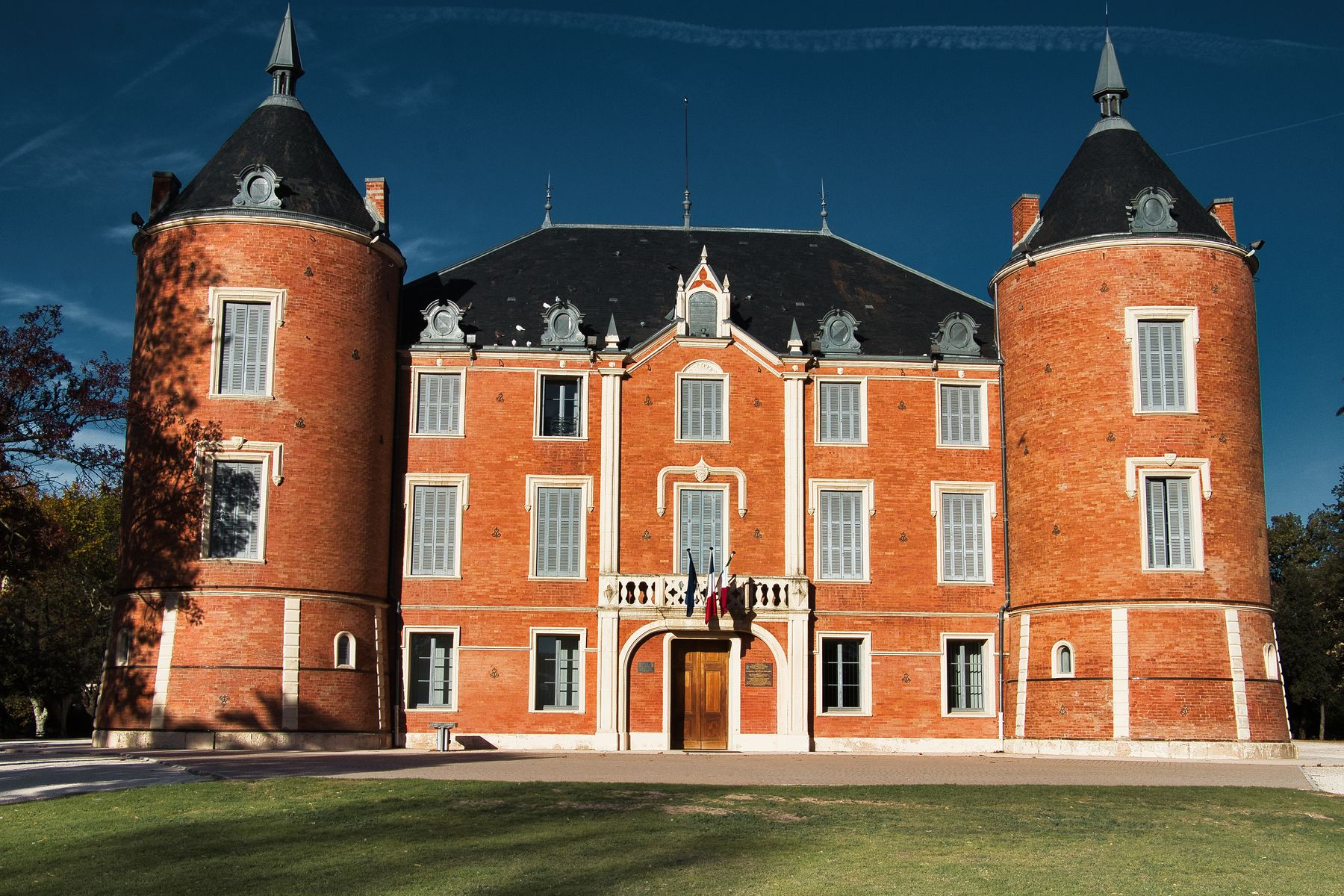
The stronger the decor has a strong identity, the more interesting it is to keep the technical functions outside of filmed pieces. A mobile costume logue allows you to install wearables, preparation and clothing in a area dedicated to backstage, while keeping the clothes near the artists.
The volume of costumes does not always come from the number of actors. It can come from the time, the number of looks, the continuity or the speed of changes.
A historical project can multiply the elements by character. Shirt, jacket, jacket, mantle, pants, shoes, hat, accessories and sometimes several versions must remain associated. Clothing can take more time than a contemporary clothing. The logue costumes allows to prepare the sets, limit the search and maintain a circulation between storage and change.
On a series, the department can keep the costumes of many characters for a long period of time. The difficulty is not just storing. You need to find the right dress on the right day, for the right episode, in the right state of continuity. A stable organization in a dedicated logue can become a real gain for the team. The carriers remain structured and the base is not reconstructed every morning.
A campaign can provide several proposals for one talent. The selected clothes will sometimes be validated only after the arrival of the customer or agency. The stylist must therefore keep several options immediately accessible. The volume visible on the screen may eventually limit to one clothes, while the backstage has transported much more.
The mode often works at a very fast pace. While a model is in front of the lens, the next look can already be prepared. Accessories are gathered. Shoes are ready. The stylist can adjust the selection. When the model returns, the change can start immediately. The logue becomes a workshop that works in advance on the viewing.
A clip can transform its interpreter several times on the same day. Each universe can demand a new dress, new accessories and coordination with the HMC. The costume must be ready at the exact moment when the plateau ends the change of light or decor. A organized wardrobe area allows to work while the camera still turns the previous sequence.
A sequence with many figurants can produce a very significant volume of clothing, even when each person has only one dress. It is necessary to organize the sizes, trials, distribution, returns and control. The circuit must be clear enough to prevent each figurant from looking for his dress in the entire storage.
Class by character, day, sequence or look according to the operation of the production.
The small items must remain associated with the clothes without disappearing in the general storage.
Identify the versions, duplicates and the exact state required for each scene.
Create a preparation zone to prevent every change from starting with a search.
A costume logue should not be thought independently of other artists spaces. The actor does not come just to seek a dress. He follows a path.
According to the project, this journey can start with the comedy logue, continue to the HMC, pass through the clothing and then join the plateau. On another production, the costume precedes makeup.
The order is less important than consistency. Each function must be close enough to avoid unnecessary movements.
The comedy logger may contain some personal effects or a current dress. It should not become the main storage of the costume department if the project requires dozens of clothes.
Otherwise, the artist loses his rest space. The carrier occupies circulation. The clothing maker enters and goes out constantly. The function of the lounge becomes confused.
A separate costume unit allows the comedy logue to remain an artistic space.
The two departments work constantly on the same people, but their tools are very different. The HMC needs makeup and hairstyle positions. The costume needs cartridges, storage and change areas.
Getting a very large volume of clothing with several hairstyles in a too small space can saturate both professions.
When the size of the screening justifies it, separating the functions while placing them nearer often creates a simpler operation.
The dressing machine must also be able to quickly join the plate if an intervention is needed. a jacket must be replaced. a col must be adjusted. an accessory has moved.
The costume lounge should therefore not be installed at a distance that turns every correction into shipping.
The wearables and clothes do not need to appear in the decor. A property chosen for its architecture must be able to keep its parts for the drawing.
A mobile lounge installed in a backstage area allows you to bring costumes closer without transforming the house, castle, restaurant or office filmed into textile reserve.
A film of the time is probably one of the cases where the word "big capacity" takes the most meaning. clothes can be more voluminous.
Silhouettes and figurants may also require complete clothes. The number of textile parts then increases much faster than the number of people.
A dress can take more width than a contemporary set. A mantle can be large. Some accessories require their own storage.
The department should therefore think about the density before arriving on the plateau.
Part of the work can naturally be done before the day of viewing. But the adjustments continue on the field. A actor can change. A dress may require a retouch. A scene can be changed.
The costume space should allow to absorb these variations without disorganizing the general stock.
Not all clothes can be treated as a contemporary tee-shirt. Some pieces can be fragile, structured, rented, old or difficult to replace.
The logging and their handling must be adapted. Therefore, the logger should remain a controlled work space, not a passage place for all production.
In advertising and fashion, the problem can be different. clothes don’t necessarily stay several weeks. But the number of looks to deal in one day can be very high.
The stylist can bring several proposals by talent. The client can ask for an alternative. The photographer can decide to change the order of the series.
The logue costumes should then allow to adapt without losing the control of what has already been used.
It can be much more effective to think together rather than in individual clothes. A clothes is then associated with its shoes, jewelry, bag and other accessories.
When the look is called, everything is already gathered. The dressing person does not look for the pants in one place and the belt in the other.
This logic reduces the time of change and limits errors in campaigns where multiple versions are similar.
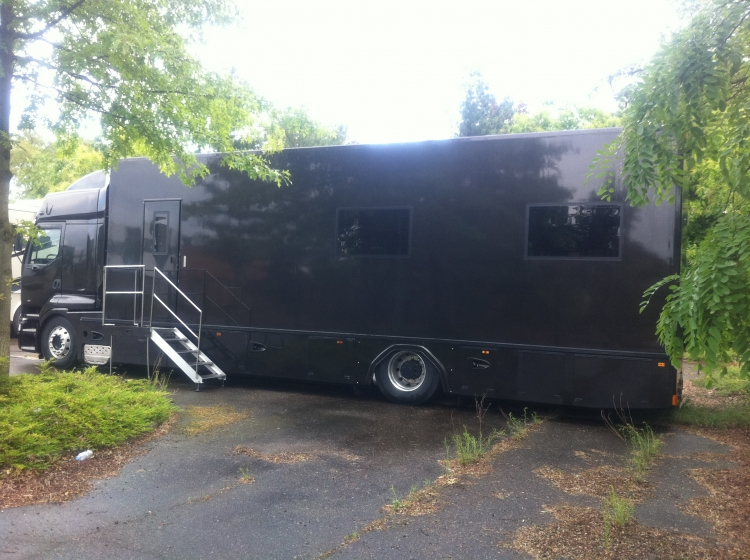
The two photographs of the black truck show a vehicle whose installation must be seriously prepared. Logistics does not start at the time when clothes are charged. It begins with the journey to the site.
A lounge can have a perfectly suited interior and be useless if it cannot reach the backstage area.
You need to look at the width of the streets, the curves, the portals, the branches, the slopes, the edges, the furniture and the vehicles that could be parked on the day of the shooting.
A map or a satellite view is useful, but it does not replace recent photographs of the field.
A gateway can be closer than it seems. A branch can be lower. A area presented as a parking can be occupied by other production vehicles.
The length required for parking is not enough.The truck must first reach this location.It may need an additional area to perform the maneuver.
A vehicle that enters on a vacant base at five in the morning may be difficult to get out once the rest of the plate is installed.
The side photo of the PROD 19 truck shows the stairs and access to the vehicle. This area must remain free.
In a costume logue, the passages can be many. The dressers enter and out. The artists come to change. The cartridges or work items can be moved.
Access should not be attached to a hole, wall or other vehicle.
The costumes do not always move in simple bags. The carriers can be crowded. The team must be able to transfer the equipment between the transport vehicle and the logging without going through an unpraktikable ground or a dangerous traffic zone.
The implantation should therefore be considered also for the work of the department and not only for the access of actors.
A beautiful area or property can offer a great grass that looks perfect on the photos. but a truck is not a light vehicle.
The nature of the soil, weather conditions and output possibilities should be considered. A perfectly practicable area in summer can become very different after several rain days.
A very comfortable parking space but located several hundred meters from the plateau can become uncomfortable if actors need to make frequent changes.
Therefore, a compromise must be found between the ease of access of the vehicle and the proximity of the artistic circuit.
On a project with little changes, a greater distance can be acceptable. On a shooting with a look every twenty minutes, it quickly becomes a waste of time.
On a long production, the costume space can gradually become one of the most structured points of the backstage. The department accumulates information, habits and many pieces related to the characters.
A stable installation allows to keep the same logic from day to day. The carriers remain in the same order. Accessories keep their locations. The teams don't waste time every morning to reconstruct their organization.
A long series is not a fixed stock. New episodes can introduce characters, events and new clothes. The volume can thus evolve.
It is useful to keep an organization margin and not saturate the lounge from the first day.
Production can gain readability by avoiding keeping in the most accessible area everything that has no chance to be used soon.
The great capacity must remain intelligent. accumulating is not organizing.
Summer can pose particular problems. Some costumes are thick. Actors can turn with a dress that doesn't match the weather conditions at all.
Clothing should be able to be done in a stable space than the edge of a sunny parking.
After taking, the clothes may also require drying, being ventilated or simply to stay separated from the stock that has not been carried.
Rain can complicate an outer shooting but also the management of costumes. Transfering clothes between several buildings under rain is not an ideal situation.
A smartly placed mobile base allows to reduce these movements and keep clothes more.
Some scenes voluntarily provide that the clothes are wet, dust or salt. Therefore, it is necessary to distinguish the pieces that come back from the plateau of costumes ready for the next sequences.
A large capacity is useful only if these areas can be clearly separated.
The night does not reduce the costume needs. It changes schedules. A sequence that starts at twenty-two hours may require trials and preparations well before the sunrise.
The logue must remain accessible, adequately illuminated and connected to the artists' circuit.
The costume department may need time after the last take to recover, control and store the clothes.
The truck should therefore not necessarily be considered as the first vehicle that can return as soon as the director announces the end of the filming.
The starting order must correspond to the actual functions of each unit.
Long production also involves constant work on clothes. Some parts need to be cleaned. Others are repaid, repaid or adjusted.
Equipment and maintenance possibilities must be confirmed according to the log and organization chosen. It should not be assumed that a vehicle automatically possesses all the equipment of a washing machine.
The important thing is to identify before the filming what will be done in the logue and what will be treated elsewhere.
Cinder, houses, labels, storage accessories and small consumables can seem secondary. However, a long production uses a lot of it.
The department must know where these items are stored and how they will be re-approved.
After several weeks, the team knows the vehicle by heart. She knows where each character is located. She knows where the rescue elements are.
This place memory has operational value. constantly changing organization forces the team to re-learn their own tracks.
That’s why the stability of a base can be interesting for series, long films and long-term filmings.
A volume estimate helps to understand the size of the organization to be predicted.
Specificate the roles, figures, models and people to be dressed.
One look per day and eight looks in four hours do not require the same organization.
Address, portal, width, height, ground, maneuver and parking must be anticipated.
Find other business solutions to organize artists, HMC, production and backstage.
This is a mobile solution designed to organize a large volume of clothing, wearables, shoes and accessories, while keeping a work area to prepare for changes.
The exact number of meters of ports must be confirmed depending on the logue proposed for your production. This page does not voluntarily promise no unverified capacity.
It allows to centralize clothing, to avoid invading artists’ logs or HMC and to create a real circuit of preparation, clothing and return.
Yes. Films of the time may require large clothes, multiple layers, accessories, shoes and doubles. A dedicated space can facilitate their organization.
Depending on the layout of the logue, shoes and accessories can be arranged with the clothes. The important thing is to maintain a clear identification by character or look.
They can be classified by character, day, episode, scene, look, size or according to the method chosen by the costumes department.
Yes, it’s exactly one of the interests of a well-organized costume area. The next dress can be prepared while the artist is on the plateau.
It can be useful in organizing several looks, collections, shoes, accessories and models changes.
Yes. A advertising can include many styling options for little talent. The back-stage volume can therefore be important even if only a dress is eventually appearing on the image.
Clips can multiply the look changes and require a quick coordination between costume, HMC and plateau.
Yes, especially on long-term productions where the costumes of many characters must be preserved, identified and found for several weeks.
Depending on the configuration, a zone can be used for changes. It is necessary to preserve the artist's privacy and enough space so that the dressers can work.
The comedy logos is mainly intended for waiting and rest. The costume logos is a work and storage space. Gathering them is not always desirable.
Makeup-gush requires specific positions, tracks and a different organization than the storage of clothes.
Yes, when the field allows it, it can be very effective to gather comedian logos, costumes and HMC in one artists area.
Check the width, height, curves, portal, slopes, branches, field and space required for maneuver. Photos or a video of the last kilometre are very useful.
Yes. entrance, stairs, the artists' movements, the movements of the dressers and eventually the transfer of carriers require a free area to be kept.
A long-term installation can be studied if the site, parking, safety, connections and the organization of the recording allow it.
Yes, if the move is planned in the planning. It is necessary to integrate storage, removal, road, new maneuver and re-functioning.
It is useful to provide an organization that allows to distinguish the ready clothes, those coming back from the plateau and those that need an intervention.
Because the return of an artist should not start with a search in multiple portants. Preparing the next look during the take reduces the time of change.
Enter dates, city, address, schedules, number of characters, an estimate of the number of carrier, the frequency of changes and other basic needs.
Because they allow a production to better represent the vehicle, its capacity, its access and the conditions of installation on the scene of filming.
Applications can be considered according to destination, dates, duration and logistical feasibility.
Time film, series, advertising, shooting, clip or production with many changes: send us the estimated volume, the number of characters, the planning and the location information. We will study the most consistent configuration for your costume department.
PROD 19 • to Discover Equally